
Over the past decade, architectural design has moved steadily toward simplicity, openness, and visual continuity. Materials are no longer chosen only for strength or durability, but also for how quietly they perform within a space. One of the clearest expressions of this shift is the frameless glass balustrade, a system that provides safety without demanding visual attention.
Rather than framing views or dividing spaces, frameless glass balustrades are designed to step back and let architecture breathe. They act as boundaries without behaving like barriers, making them a defining element in modern residential and commercial design.
Traditional balustrades relied on posts, rails, and infill panels to achieve structural stability. While effective, these systems often interrupted sightlines and added visual weight. Frameless glass balustrades emerged as a response to this limitation.
By eliminating vertical posts and bulky framing, frameless systems transform the balustrade from a dominant feature into an almost invisible plane. The space feels larger, lighter, and more cohesive, especially in areas where openness is a design priority.
The absence of visible structure does not mean the absence of engineering. Frameless balustrades rely on thickened toughened or laminated glass panels that are structurally capable of resisting horizontal loads.
Support is typically concealed within floor-mounted base channels or discreet fixings. These components anchor the glass securely while allowing the upper edge to remain uninterrupted. The result is a system where structural performance is hidden beneath a minimal visual surface.
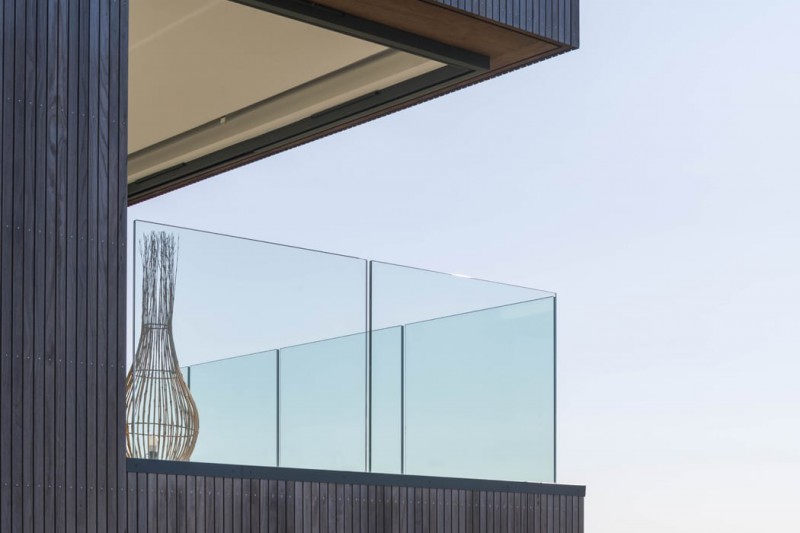
Architects favour frameless glass balustrades because they offer design freedom. Staircases become sculptural rather than enclosed. Balconies retain their views without visual interference. Double height spaces maintain continuity between levels.
In both residential and commercial projects, frameless balustrades support modern lifestyles that value light, openness, and connection to surroundings. They work equally well in minimalist interiors and high-end architectural statements.
Inside buildings, frameless glass balustrades are commonly used along staircases, mezzanines, and void edges. Their greatest advantage in these settings is their ability to preserve natural light flow.
Because there are no posts or rails interrupting the glass, light moves freely between levels. This enhances spatial perception and reduces the need for artificial lighting in transitional areas.
Frameless balustrades also integrate seamlessly with a wide range of interior finishes, from timber stair treads to polished concrete floors.
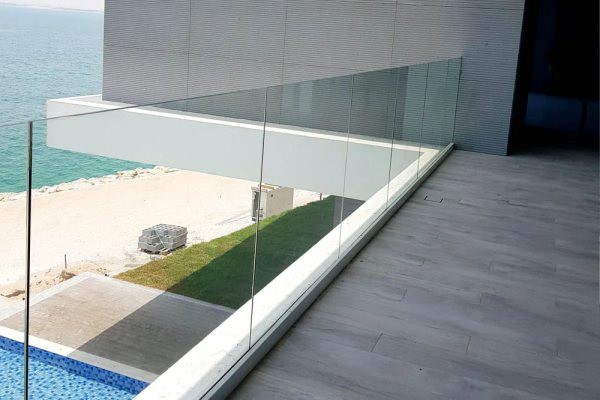
Externally, frameless glass balustrades are often specified for balconies, terraces, and roof spaces where views are a key asset. In these locations, the balustrade must protect occupants without obstructing sightlines.
Outdoor frameless systems must withstand wind loads, rain exposure, and temperature variation. This places additional importance on glass specification and fixing design, ensuring that the system remains stable and secure over time.
Frameless glass balustrades demand a high level of installation accuracy. Floor levels, alignment, and fixing positions must be exact, as there are no frames to conceal inconsistencies.
This precision is what gives frameless systems their refined appearance, but it also means that they must be installed by experienced professionals using purpose-designed components.
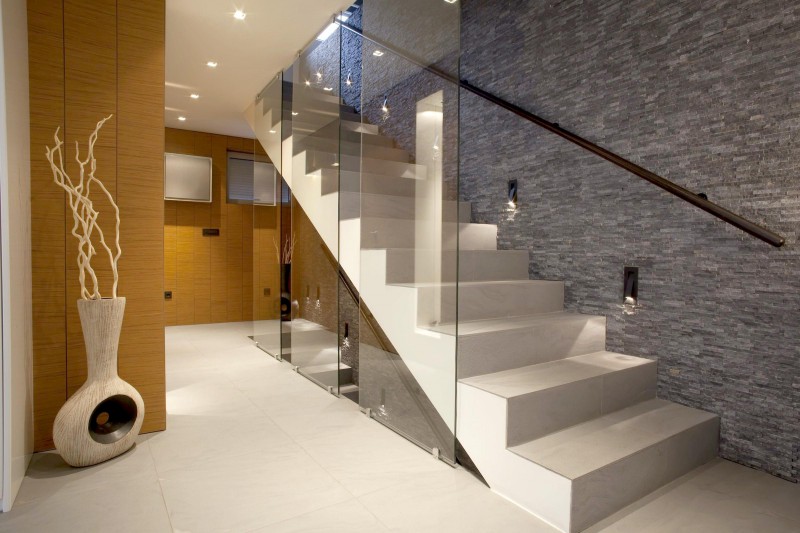
Despite their minimal appearance, frameless glass balustrades are subject to the same safety standards as traditional balustrades. Glass thickness, fixing strength, and load resistance are all specified to meet regulatory requirements.
When engineered and installed correctly, frameless systems provide robust protection while maintaining their clean, architectural look.
Not all glass balustrades can be converted into frameless systems. Successful installations rely on components and fixing methods specifically designed for frameless applications.
Using a purpose-engineered system ensures that glass, fixings, and installation methods work together as a cohesive whole rather than as adapted parts.
A clear example of a dedicated frameless solution can be explored here: Frameless Glass Balustrade
Frameless glass balustrades offer long-term value not only in performance but also in appearance. Their minimal design is resistant to changing trends, allowing them to remain relevant as interior styles evolve.
High-quality materials and concealed fixings reduce maintenance requirements and help preserve the clean aesthetic for years to come.
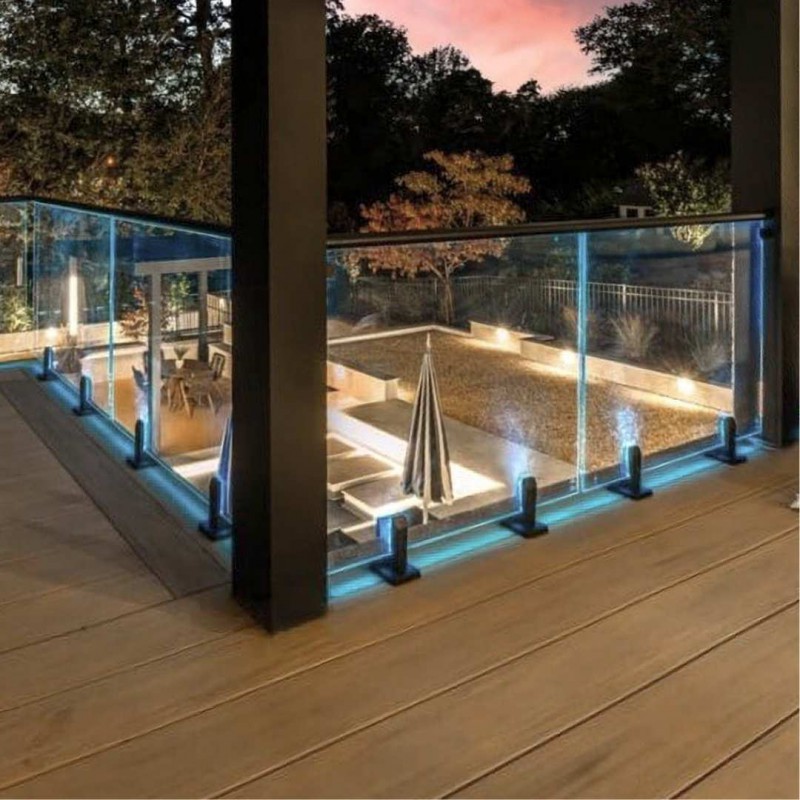
The frameless glass balustrade represents a shift in how safety elements are perceived within architecture. Rather than being highlighted, they are refined, reduced, and integrated.
By combining structural confidence with visual restraint, frameless balustrades demons




 در آیدت،
فایلهای
خود را به فروش بگذارید و یا
مقالاتتان
را منتشر کنید👋
در آیدت،
فایلهای
خود را به فروش بگذارید و یا
مقالاتتان
را منتشر کنید👋
پاسخ ها